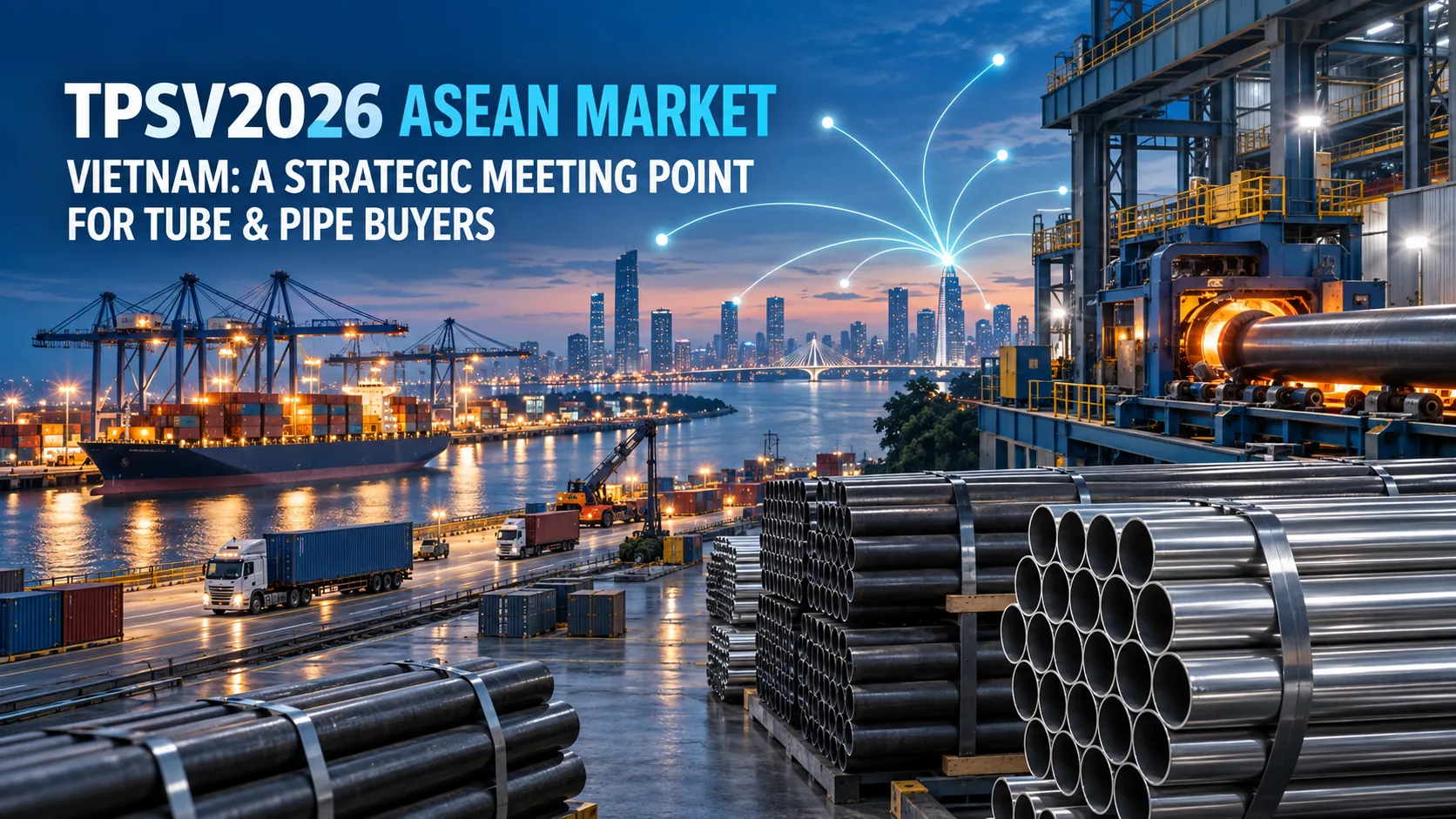
For international suppliers, the right distributor can provide more than sales coverage. A capable local partner can connect technical products with the industries, projects and after-sales support requirements that shape purchasing decisions.
Why Distribution Partnerships Matter
ASEAN is a connected region, but it is not a single uniform sales territory. Customer sectors, technical standards, commercial practices, logistics and service expectations vary between markets. For an overseas manufacturer, a qualified distributor can provide local market knowledge, customer access, quotation support, inventory planning and after-sales coordination.
ASEAN’s own SME market-access programmes identify reliable distribution networks and the cost of building cross-border connections as practical challenges for companies expanding beyond their home markets. The response is not simply to appoint more agents; it is to build better-qualified partnerships.
A distributor agreement is not the starting point. The first step is to confirm market fit, technical capability, customer coverage and the responsibilities each side can realistically support.
What Industrial Buyers Expect from the Supply Chain
Tube, pipe, fittings, valves and processing equipment are technical purchases. Buyers may need material grades, dimensions, test certificates, applicable standards, lead times, origin documents, warranty terms and application support before evaluating price.
A distributor representing these products therefore needs more than a contact list. It should be able to understand enquiries, communicate specifications accurately, follow quotations and coordinate with the manufacturer when technical clarification is required.
Products That Benefit from Local Market Support
- Tube and pipe products: stainless and carbon steel tubes, structural sections and application-specific products.
- Flow-control components: fittings, flanges, valves, couplings and related components requiring specification support.
- Processing technology: forming, cutting, welding, finishing and handling equipment with installation or service needs.
- Inspection and automation: testing systems, measuring tools and production controls that depend on technical demonstrations.
How to Evaluate a Potential Distributor
- Customer fit: Which industries, manufacturers, contractors or fabricators does the company already serve?
- Technical capability: Can its team understand standards, applications and documentation?
- Commercial coverage: Which cities and industrial regions can it support effectively?
- Inventory and logistics: Does the business hold stock, coordinate imports or work mainly against confirmed orders?
- Existing portfolio: Are its current brands complementary, or would they conflict with the proposed range?
- Follow-up resources: Who will handle enquiries, quotations, samples, training and after-sales communication?
Prepare a Distributor-Ready Offer
International suppliers should arrive with a concise offer that a potential partner can assess. Include the product range, priority applications, available certifications, typical lead times, sample policy, quotation process and the technical or marketing support available from the manufacturer.
Avoid promising exclusivity during an introductory meeting. Territory, performance expectations, stock commitments, training, pricing and review periods should be discussed only after both sides have completed appropriate commercial and legal due diligence.
Use TPSV2026 to Start Better-Qualified Conversations
Trade exhibitions bring manufacturers, distributors, fabricators, contractors and project teams into one professional setting. TPSV2026 can help suppliers present products, compare market feedback and begin conversations with potential partners relevant to the tube and pipe supply chain.
Before the event, define the partner profile you are seeking and prepare a short meeting brief. During each discussion, record the industries served, technical strengths, geographic coverage and agreed follow-up. After the show, verify the company and begin with specific opportunities before considering a broader commercial arrangement.
Sources and Editorial Scope
Market-access context was checked against the ASEAN Main Portal’s information on ASEAN Access MATCH, the Reference Guidebook for ASEAN SME Exporters, and Vietnam’s Ministry of Industry and Trade information on strengthening links between producers and distribution networks. Distributor-selection recommendations are general editorial guidance, not legal advice or a guarantee of commercial results.
Book a Booth · Register to Visit · Browse Exhibitors · Request Meeting Support