Vietnam’s industrial expansion, urban development and infrastructure needs create a diverse market for tube, pipe, fittings, valves and processing technology. Demand is not uniform: each application has its own standards, buyer structure, approval process and service expectations.
Manufacturing Remains an Important Demand Driver
Vietnam continues to attract investment in processing and manufacturing. Official statistics for 2025 show that manufacturing and processing received the largest share of registered foreign investment by sector. This supports a broad industrial ecosystem of factories, industrial parks, component suppliers, logistics providers and engineering services.
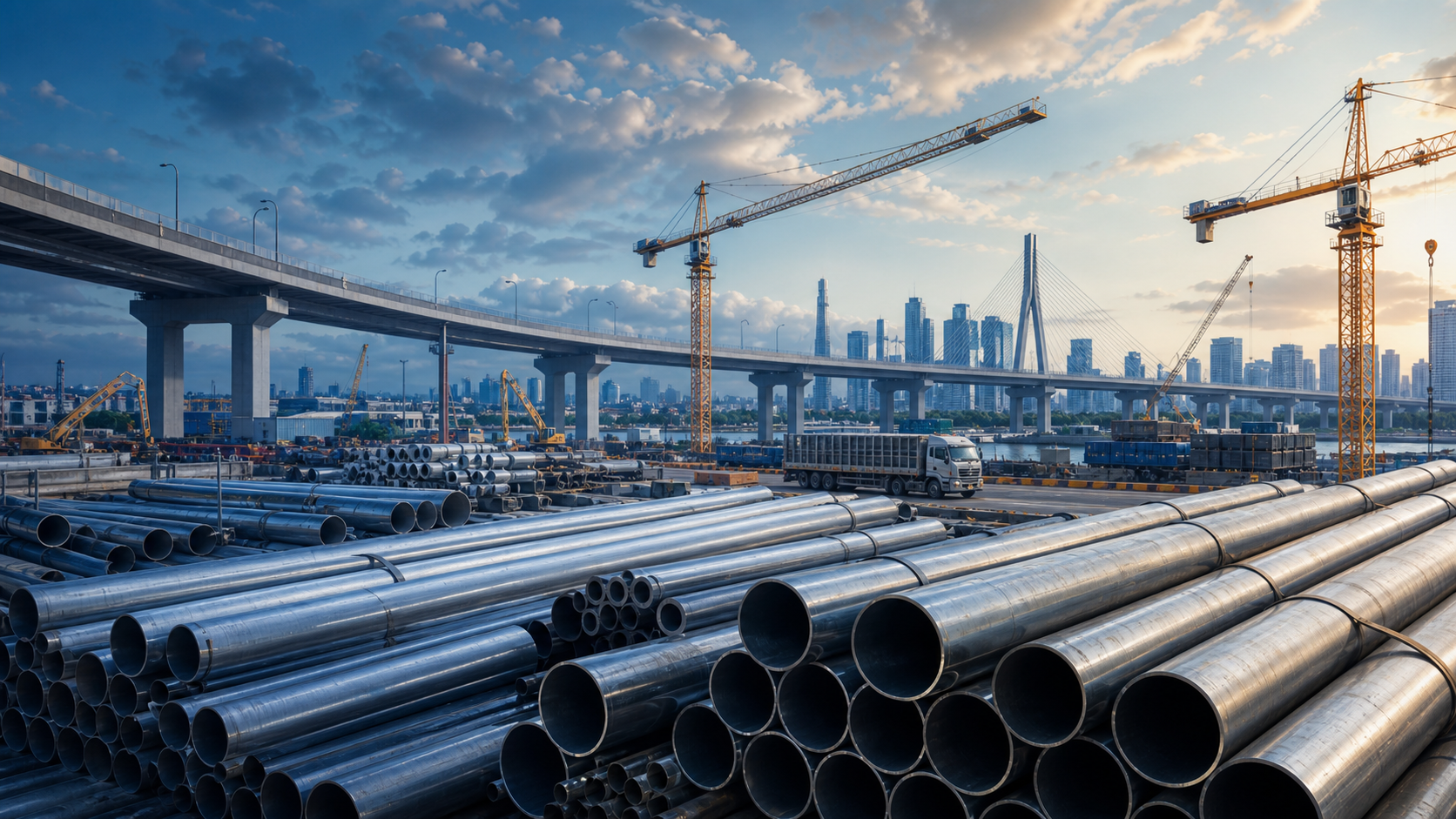
For the tube and pipe industry, this activity can translate into applications rather than one single market forecast. New and expanding facilities may require structural tube, plant utilities, process piping, compressed-air lines, water systems, fittings, valves, supports and fabrication services. The exact requirement depends on the factory design, product standard, operating conditions and project schedule.
Four Areas Suppliers Should Watch
- Industrial production: Factories and industrial parks can create applications for structural tube, stainless process piping, utility lines, valves, fittings, fabrication and inspection.
- Commercial and industrial construction: Buildings, warehouses and production facilities may use hollow sections, mechanical-service piping, fire-protection systems and drainage products, subject to design and code requirements.
- Water and environmental services: Water treatment, distribution, wastewater and drainage systems require application-specific pipe materials, joining systems, valves, pumps, coatings and monitoring equipment.
- Energy and plant utilities: Steam, cooling water, compressed air, fuels and other services require correct pressure class, material compatibility, testing and documentation.
Market growth does not guarantee a supplier order. Investment and production data indicate where industrial activity is developing. Actual demand must be confirmed through project specifications, procurement notices, qualified buyers, contractors and approved vendor processes.
Vietnam’s Tube and Pipe Market Is a Supply Chain
Purchasing decisions may involve more than the end user. A factory owner can appoint a consultant or engineering contractor; the contractor may work with fabricators and distributors; and an importer may manage local stock, documentation and delivery. The party choosing a brand is not always the party issuing the purchase order.
International suppliers therefore need to identify the decision chain for each opportunity. Manufacturers may sell directly to major projects, appoint local distributors for repeat orders or cooperate with fabricators and service companies that already support industrial customers.
What Buyers Need to Know Before They Compare Offers
- Application: What fluid, load or service will the product handle, and under what operating conditions?
- Specification: Which material grade, dimensions, tolerance, pressure class and product standard apply?
- Quality records: Are mill certificates, test results, traceability or third-party inspection required?
- Approval: Does the owner, consultant, contractor or authority maintain an approved-vendor process?
- Quantity and schedule: Is the requirement a project package, a repeat stock order or a maintenance purchase?
- Delivery and service: Who manages importation, local inventory, fabrication, installation support and after-sales response?
Standards and Certification Must Match the Application
There is no single certification that qualifies every tube, pipe, fitting or valve for the Vietnamese market. Requirements can come from Vietnamese regulations and standards, international or project standards, end-user specifications and sector-specific approvals.
Suppliers should avoid presenting a long certificate list without explaining relevance. A more useful approach is to connect each product family to its applicable standard, test method, traceability level and available documentation. Where conformity assessment, import procedures or local approval is required, current requirements should be confirmed with the buyer and competent Vietnamese authorities or qualified advisers.
Delivery Capability Can Be as Important as Product Price
Buyers evaluate whether a supplier can deliver the correct product at the required time and support it after arrival. For imported products, realistic lead times must account for production, inspection, export documentation, freight, customs and inland delivery. Local stock or a capable distribution partner can improve response for maintenance and smaller repeat requirements.
For project business, suppliers should clarify packaging, marking, document submission, inspection points and responsibility for schedule changes. For distributors, stable availability, product range and commercial consistency may matter more than a single large shipment.
How International Suppliers Can Prepare for Vietnam
- Define the applications and buyer groups that best match the company’s proven product range.
- Prepare concise technical data, standards, certificates, production capacity and realistic lead-time information.
- Identify whether direct project sales, distribution, fabrication partnerships or local service support are appropriate.
- Verify current import, conformity and project requirements before making compliance claims.
- Use meetings to qualify the application, decision process and next technical step—not only to exchange catalogues.
Meet the Market at TPSV2026
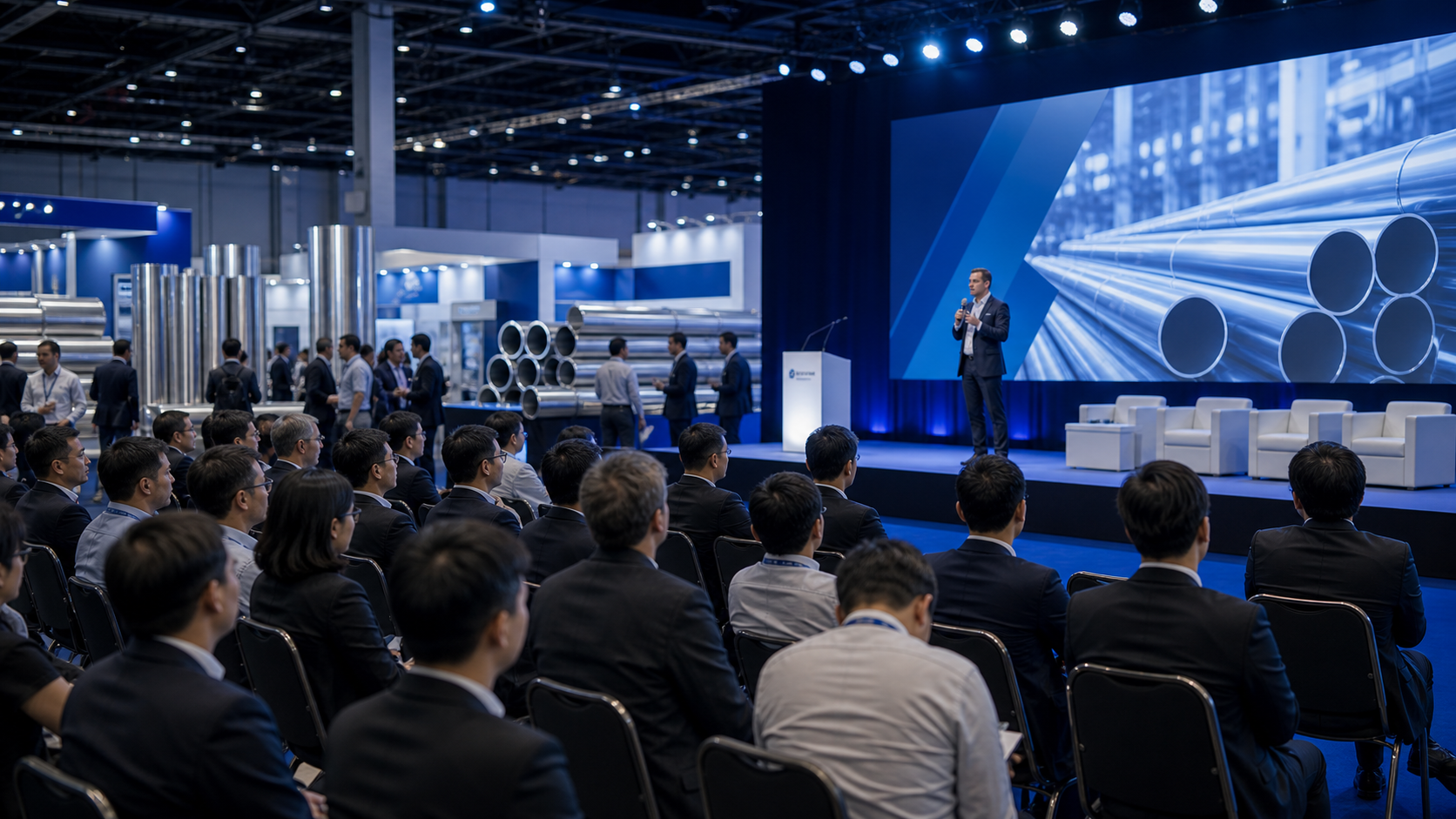
TPSV2026 provides a focused setting for tube and pipe manufacturers, distributors, contractors, fabricators, technology providers and industrial buyers to compare capabilities. Exhibitors can present application-specific solutions and discuss distribution or project cooperation. Visitors can bring a sourcing requirement and compare products, documentation, service and delivery approaches.
The exhibition cannot replace technical qualification or procurement due diligence. Its value is to help relevant companies identify fit, ask better questions and move toward a properly qualified follow-up discussion.
Sources and Editorial Scope
Market context was checked against Vietnam’s official 2025 manufacturing FDI analysis, the World Bank’s September 2025 Viet Nam economic update, and the Vietnamese Government’s steel industry development strategy through 2030, with a vision toward 2050. References to possible tube and pipe applications are editorial interpretations of industrial activity and the exhibition’s scope; they are not forecasts of order value or confirmations of procurement.
Continue the market review: See why Vietnam is becoming a strategic meeting point for ASEAN tube and pipe buyers.
Register to Visit · Book a Booth · Browse Exhibitors · Request Meeting Support